

A Japanese sword is defined as one of the most culturally loaded gifts you can give. Unlike a book or a decorative print, a well-chosen katana carries centuries of history, a swordsmith’s personal mastery, and a philosophy of honor that most gifts simply cannot match. When you select a sword gift for a Japanese culture lover, you are not buying an object. You are passing on a tradition. From the Muromachi period onward, Japanese swords served as diplomatic gifts between shoguns and daimyo, chosen precisely because they communicated respect, authority, and artistry in a single gesture. That history makes the right sword one of the most meaningful presents a culture enthusiast can receive.
What makes a Japanese sword a unique and meaningful gift?
The cultural weight behind a Japanese sword gift is not symbolic in a vague sense. It is specific and documented. Swords symbolize both the swordsmith’s mastery and the recipient’s esteemed standing. That dual meaning is rare in any gift category.
Historically, swords commissioned as diplomatic gifts were not ordinary market blades. Made-for-diplomatic swords featured superior materials and finishes, often produced by renowned swordsmiths from schools like Bizen Osafune and Yamato Tekagami. The distinction mattered because the sword’s quality reflected directly on the giver’s reputation.
“Viewing sword gifts as vehicles of cultural diplomacy adds depth and meaningful context to the selection process. A sword chosen with care tells the recipient that you understand what they value, not just what they collect.”
Japanese swords also occupy multiple roles in Japanese culture simultaneously. They appear in martial arts practice (kenjutsu, iaido), in ceremonial settings, and as objects of fine art. A gift that connects to all three of those worlds carries a richness that no mass-produced collectible can replicate.
Modern gifting continues this tradition. Public institutions and individuals commission swords as cultural ambassadors, fostering international appreciation and museum displays worldwide. Giving a handcrafted sword today places you in that same lineage of cultural exchange.
Key reasons a Japanese sword stands apart as a gift:
- It carries documented historical and diplomatic significance spanning centuries.
- The forging process itself, including clay tempering and folding, is a form of art.
- Each sword reflects the cultural significance of the katana in martial arts and Japanese identity.
- A quality blade appreciates in meaning over time, unlike most decorative gifts.
- Personalization options make each sword genuinely one of a kind.
How to select the right type of Japanese sword for your recipient
The katana is the most recognized Japanese sword type. It features a curved, single-edged blade designed for both cutting efficiency and aesthetic beauty. The katana is the iconic symbol of samurai culture and remains the most requested gift sword for good reason. But it is not the only option.
t
Sword types at a glance
| Sword type | Blade length | Best suited for |
|---|---|---|
| Katana | 24–30 inches | Collectors, martial artists, display |
| Wakizashi | 12–24 inches | Paired display sets, cultural enthusiasts |
| Tanto | Under 12 inches | Desk display, entry-level collectors |
| Decorative replica | Varies | Budget-conscious buyers, first-time gifts |
The wakizashi pairs naturally with a katana as a daisho set, which was the traditional pairing worn by samurai. Gifting a daisho set signals deep cultural knowledge and makes a striking display piece. The tanto is a shorter blade that works well as a desk or shelf display for recipients who appreciate the craft but have limited space.
Choosing between a functional sword and a decorative replica depends entirely on your recipient’s interests:
- Martial arts practitioners need a full tang blade, a properly weighted handle (tsuka), and a blade steel rated for training, such as 1060 or 1095 carbon steel.
- Collectors prioritize authentic forging techniques, including clay tempering (tsuchioki), a visible hamon (temper line), and documented craftsmanship.
- Cultural enthusiasts and decor buyers may prefer a visually striking piece with traditional fittings (tsuba, menuki, kashira) over functional specifications.
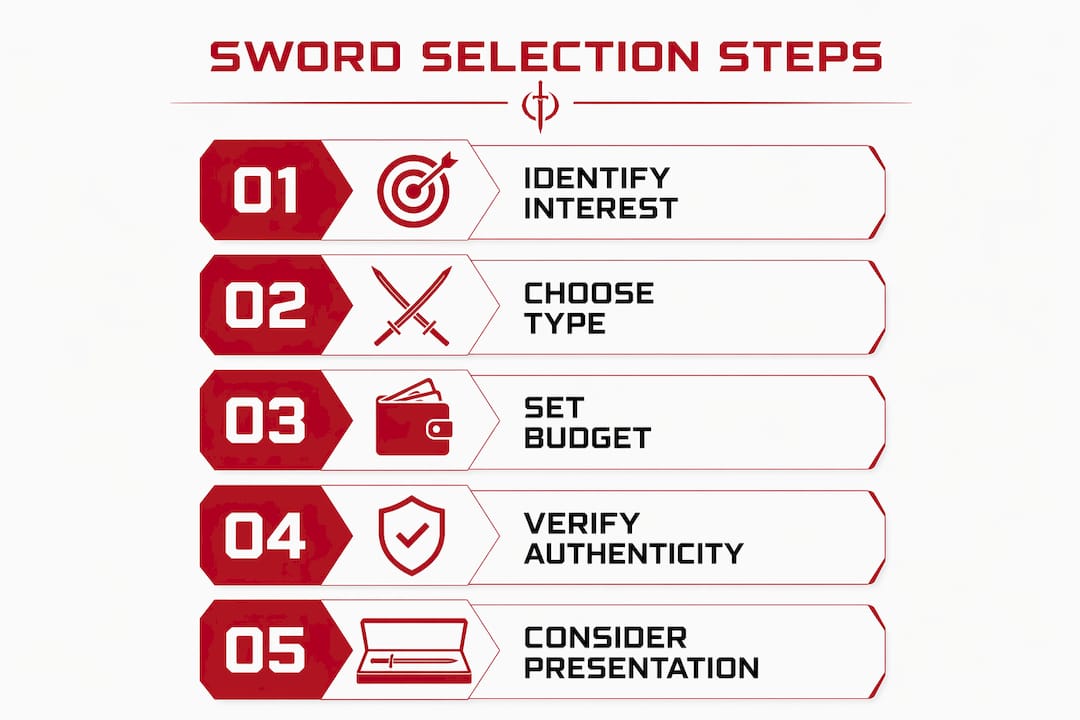
Budget shapes the decision significantly. Entry-level handcrafted swords start around $100–$200 and use basic carbon steel with machine-finished fittings. Mid-range pieces in the $300–$700 range typically feature hand-forged blades, clay tempering, and hand-wrapped handles. Premium and collector-grade swords above $700 involve master smiths, tamahagane steel, or full customization. Moonswords offers options across all three tiers, including a budget-friendly functional collection for buyers who want quality without a collector-level investment.
Pro Tip: Ask your recipient whether they practice any Japanese martial art before buying. A practitioner needs a battle-ready blade with a full tang construction. A display collector needs a sword that looks authentic and holds its fittings securely over years of display.
Where and how to purchase an authentic Japanese sword as a gift
Sourcing a genuine sword requires more care than most gift purchases. The market includes a wide range of quality levels, and the difference between a well-forged blade and a decorative wall-hanger is not always obvious from a product photo.
-
Verify the seller’s craftsmanship credentials. Reputable sellers offer swords with craftsmanship certifications and transparent information about the forging techniques used. Look for sellers who name the steel type, describe the heat treatment process, and identify the artisan or school behind the blade.
-
Confirm full tang construction for any functional sword. A full tang blade runs the full length of the handle. Partial tang blades are weaker and unsuitable for anything beyond static display. This single specification separates a safe, durable sword from a fragile replica.
-
Look for traditional forging markers. A visible hamon (the wavy temper line along the blade’s edge) indicates genuine clay tempering. The hada (grain pattern in the steel) appears in folded steel blades and signals authentic hand-forging. Both features are absent in machine-stamped blades.
-
Explore customization options before finalizing. Customizing katana handles or fittings adds personal meaning and makes the gift genuinely unique. Options include hand-wrapped tsuka cord in the recipient’s favorite color, custom tsuba (guard) designs, and engraved fittings with names or meaningful kanji.
-
Avoid sellers who cannot answer direct questions. A reputable seller will tell you the steel grade, the smith’s background, and the blade’s intended use. Vague answers about “high-quality steel” or “traditional methods” without specifics are a warning sign.
Pro Tip: When buying online, request a photo of the nakago (the tang inside the handle). Authentic swords often have the smith’s signature or school mark filed into the tang. That detail confirms you are buying a piece with genuine provenance.
How to present and care for a Japanese sword gift appropriately
Presentation is part of the gift. A sword handed over in a cardboard box loses much of its cultural weight. Wrapping in traditional fabric, specifically a furoshiki (a Japanese wrapping cloth), signals that you understand the cultural context of what you are giving. Moonswords recommends explaining the sword’s symbolism to the recipient at the moment of gifting, connecting the blade to its historical and artistic tradition.
Display considerations matter for long-term enjoyment. A sword displayed horizontally on a traditional katana stand (katana kake) shows the blade to its best advantage. Vertical display in a sword bag (katana bukuro) works well for storage between displays. For culture lovers who want the sword integrated into their home decor, Moonswords has detailed guidance on Japanese interior design with swords that helps recipients place the piece thoughtfully.
Maintenance preserves both the blade and the meaning of the gift. Caring for a Japanese sword involves three core practices:
- Cleaning: Remove fingerprints and moisture with a soft cloth (uchiko powder ball for polished blades) after every handling.
- Oiling: Apply a thin coat of choji oil (clove oil) to the blade every few months to prevent rust and preserve the steel.
- Storage: Store the sword horizontally in a dry environment, edge up, inside a wooden saya (scabbard) to protect the blade geometry.
Sharing these care instructions with the recipient as part of the gift shows respect for the craft. A sword that is maintained properly will look as good in 30 years as it does on the day it is given.
Key takeaways
Selecting a Japanese sword as a gift is most meaningful when the choice reflects the recipient’s interests, the sword’s cultural history, and the quality of its craftsmanship.
| Point | Details |
|---|---|
| Cultural weight matters | Japanese swords carry centuries of diplomatic and artistic significance that elevates them above decorative gifts. |
| Match sword type to recipient | Katana suits collectors and practitioners; tanto and wakizashi work well for display-focused enthusiasts. |
| Verify authenticity before buying | Look for full tang construction, a visible hamon, and transparent seller credentials. |
| Personalize for lasting impact | Custom tsuka wrapping, tsuba designs, and engraved fittings make the gift genuinely one of a kind. |
| Teach care as part of the gift | Sharing oiling, cleaning, and storage guidance honors the sword’s craftsmanship and extends its life. |
Why I think most people underestimate the sword gift
I have spent years watching gift buyers default to the safest version of a Japanese sword gift: a wall-mounted replica with a dragon on the scabbard. It looks dramatic in a photo. In person, it communicates nothing about Japanese culture. The fittings are glued, not pinned. The blade is stainless steel, which cannot hold a proper hamon. The recipient, if they know anything about Japanese swords, notices immediately.
The gifts that land well are the ones where the buyer did the work. They asked whether the recipient practices iaido or collects by historical era. They chose a blade with a documented steel type and a smith with a traceable background. They wrapped it in a furoshiki and included a card explaining the sword’s school of origin. That level of care transforms a purchase into a statement of respect.
My honest advice: spend less on the sword itself if you need to, and put the savings into customization. A mid-range blade with a hand-wrapped tsuka in the recipient’s favorite color and a custom tsuba tells a more personal story than an expensive generic piece. The history behind Japanese sword making is rich enough that even a modest blade, chosen with knowledge, carries real cultural weight.
The sword gift works because it demands something from the giver. That effort is visible in the final object. Collectors and culture enthusiasts feel it.
— Kenji Smith
Authentic Japanese swords, handcrafted for gifting
Moonswords specializes in handcrafted Japanese swords forged by master artisans using clay tempering, full tang construction, and traditional fittings. Every blade in the collection is built to carry both cultural meaning and lasting quality.
Whether you are looking for a collector-grade katana or an entry-level katana for a first-time recipient, Moonswords offers options across every budget and interest level. The high-end katana collection features master-crafted pieces with tamahagane steel and documented provenance, ideal for serious collectors. Customization options, including hand-wrapped handles and engraved fittings, are available across the full range. Browse the complete selection at Moonswords and find the sword that tells the right story.
FAQ
What is the best Japanese sword type to gift a culture enthusiast?
The katana is the best starting point for most recipients. It is the most recognized symbol of Japanese samurai culture and is available in both display and functional versions to suit different interests.
How do I know if a Japanese sword is authentic?
Authentic swords feature full tang construction, a visible hamon (temper line), and a documented steel type. Reputable sellers name the forging technique and the artisan behind the blade.
Can I personalize a Japanese sword as a gift?
Customization options include hand-wrapped tsuka cord, engraved fittings, and custom tsuba designs. These additions make the sword a genuinely personal gift rather than a standard collectible.
Is a Japanese sword an appropriate gift for a martial arts practitioner?
A martial arts practitioner needs a battle-ready blade with full tang construction and a carbon steel rating suitable for training. Decorative replicas are not safe for practice and should be avoided for this recipient type.
How should I care for a Japanese sword after gifting it?
The blade should be wiped clean after handling, oiled lightly with choji oil every few months, and stored horizontally in a dry environment inside its wooden saya. Sharing these instructions with the recipient is part of honoring the gift.